

If your hair feels like straw, snaps easily, or always seems thirsty no matter how much product you use, you are not alone. Extremely dry hair is a common problem, but you can overcome it with the right approach. Finding the best hair care routine for extremely dry hair isn’t just about using expensive products; it’s about understanding your hair’s specific needs and developing a consistent, moisture-focused routine.
In this guide, we will explain how to revive your hair, transform frizz into smoothness, and keep your hair healthy and hydrated over time.

Understanding Why Your Hair Is Extremely Dry
Before diving into the routine, let’s look at what causes extremely dry hair. This condition usually arises from a lack of moisture in the hair shaft. Some common causes include:
- Genetics: Certain hair types, like curly or coily textures, are naturally drier because scalp oils struggle to travel down the hair shaft.
- Environmental Factors: Harsh sunlight, dry indoor heating, and cold winds take away moisture from your hair.
- Over-processing: Regular use of heat styling tools, chemical dyes, and relaxers can damage the hair cuticle, making it hard for your hair to retain moisture.
- Improper Product Usage: Products with harsh sulfates or drying alcohols can create damage that hinders hydration.
Identifying these factors is the first step toward building an effective hair care routine for extremely dry hair.
The 7-Step Hair Care Routine for Extremely Dry Hair
To tackle extreme dryness, you need a routine that focuses on hydration at every stage. Follow these seven steps to see real results.
1. Pre-Wash Treatments: The Moisture Foundation
Avoid jumping straight into shampooing dry, brittle hair. A pre-wash treatment is critical for protecting your strands. Use a natural oil blend, like coconut, olive, or argan oil, and massage it into your ends and mid-lengths at least 30 minutes before you shower. This creates a barrier that keeps shampoo from stripping away the little natural oils your hair has left.
2. Gentle Cleansing
One big mistake people with dry hair make is using harsh, foaming shampoos. These contain sulfates that strip hair like dish soap. Switch to a sulfate-free, hydrating shampoo. Focus on cleansing only your scalp. Let the shampoo run through your ends as you rinse; do not scrub them, as they are fragile. Always use lukewarm or cool water. Hot water opens the hair cuticle too much and removes moisture.
3. Deep Conditioning: The Non-Negotiable Step
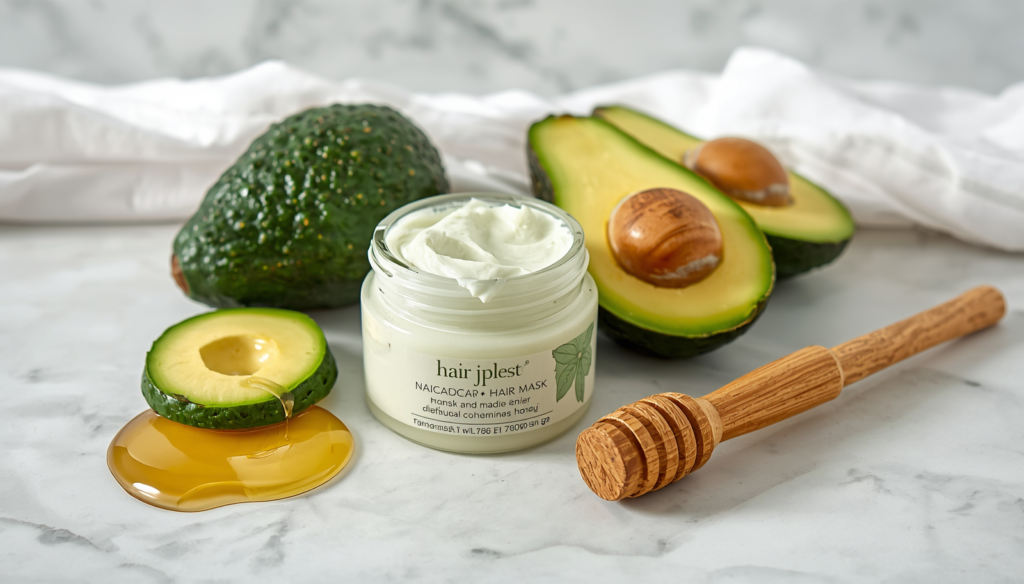
For extremely dry hair, a regular rinse-out conditioner usually isn’t enough. You need to deep condition at least once a week. Look for masks labeled “intense moisture,” “repair,” or “deep conditioning.” Apply the mask from mid-lengths to ends, cover your hair with a shower cap, and let it sit for 20 to 30 minutes. The heat from your scalp helps the ingredients penetrate deeper into your hair.
4. Detangling: Treat Your Hair Like Silk
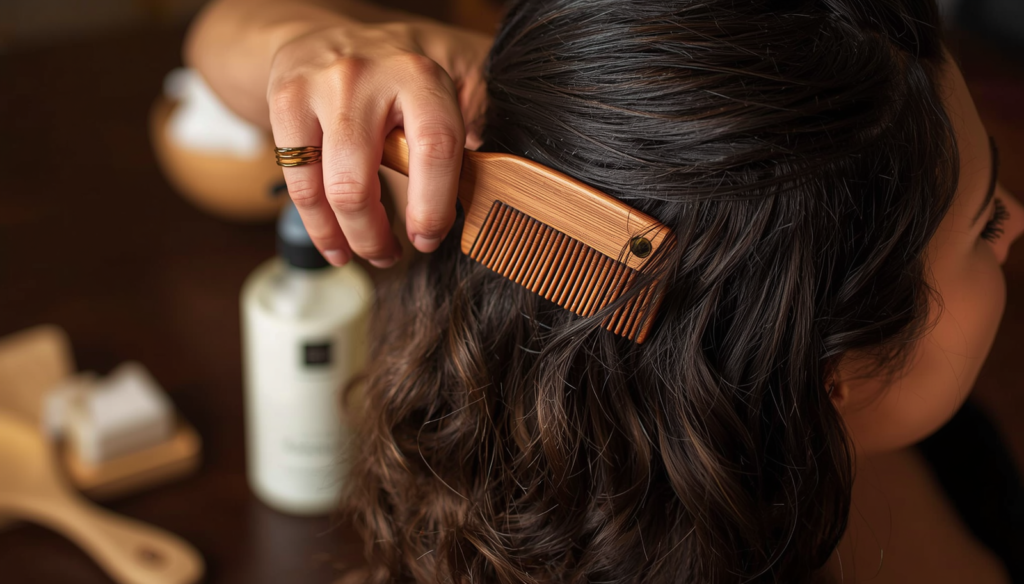
Detangling is where most breakage occurs. When your hair is wet, it’s at its most fragile state. Use a wide-tooth comb or a specialized wet brush, starting from the very bottom of your hair and working your way up to the roots. Never tug through knots. If your hair is very dry, ensure you have plenty of conditioner in your hair while detangling to make it easier.
5. Leave-In Moisture
After washing, your hair needs a “drink.” A leave-in conditioner stays in your hair and provides continuous hydration throughout the day. Look for water-based leave-in sprays or creams that contain humectants like glycerin or aloe vera. These ingredients pull moisture from the air into your hair.
6. Sealing: The LOC/LCO Method
Adding moisture is one thing; keeping it is another. The LOC (Liquid, Oil, Cream) or LCO (Liquid, Cream, Oil) method is ideal for a hair care routine for extremely dry hair.
- Liquid: Your water-based leave-in conditioner.
- Oil: A natural oil like jojoba or sweet almond to seal in moisture.
- Cream: A thick butter or styling cream to lock it all in.
By layering these, you create a barrier that prevents moisture from escaping into the dry air.
7. Nighttime Protection
Your hair experiences friction while you sleep. Cotton pillowcases can absorb moisture from your strands. Switch to a silk or satin pillowcase. Alternatively, wrap your hair in a satin bonnet. This reduces friction, prevents frizz, and helps your hair keep the moisture you worked hard to add during the day.
Lifestyle Habits for Deeper Hydration
Your hair care routine is only part of the solution. Your internal health is reflected on the outside.
- Hydration Starts Inside: If you don’t drink enough water, your hair will be the last to receive it. Aim for 8 glasses a day.
- Nutrient-Dense Diet: Hair is mostly protein (keratin), so ensure you’re getting enough protein. Also, focus on Omega-3 fatty acids found in salmon, chia seeds, and walnuts. These are crucial for scalp health and natural oil production.
- Avoid Heat Styling: If you must use heat, always use a high-quality thermal protectant spray. However, for extremely dry hair, styling without heat is the quickest way to recovery.
Product Selection Guide: What to Look For
When shopping for a new hair care routine for extremely dry hair, pay attention to labels.
- Look for these ingredients: Shea butter, argan oil, avocado oil, glycerin, honey, and ceramides. These are great for moisturizing and smoothing the cuticle.
- Avoid these ingredients: Sodium Lauryl Sulfate (SLS), isopropyl alcohol, and mineral oil, which can block moisture from entering the hair shaft.
Healthy hair begins from the inside out. Just as the right nutrients help your skin fight inflammation and stay youthful, they are vital for hair strength and shine. To learn more about how internal nutrition impacts your beauty routine, check out our guide: Anti-Aging Foods and Supplements.
Addressing Common Myths About Dry Hair
To truly master your hair care routine for extremely dry hair, you need to dispel some common myths that often lead people astray.
Myth 1: Trimming your hair makes it grow faster
While trimming doesn’t directly stimulate hair growth from the scalp, it is vital for dry hair. Extremely dry hair is prone to split ends. If left untrimmed, these splits can travel up the hair shaft and cause more breakage. Regular trims (every 8-12 weeks) help keep the appearance of length and health.
Myth 2: You should wash your hair every day
For extremely dry hair, daily washing is counterproductive. It strips the scalp of the sebum that naturally lubricates the hair. Aim for 1-2 washes per week. If your scalp gets oily, use a dry shampoo but keep it away from your dry, brittle ends.
Myth 3: Natural oils can replace a conditioner
While oils like coconut or olive can seal moisture, they don’t add water to the hair. They only trap it. You must use a water-based product (like a conditioner or leave-in) first, then use oil to seal that moisture. Skipping the water-based step is a common mistake in many hair care routines for extremely dry hair.
Seasonal Adjustments for Your Hair
Your hair care routine should be flexible to adapt to changes in the climate.
- Winter Care: Cold air is very dry, and indoor heating removes moisture from the air. During winter, increase the frequency of deep conditioning treatments and consider using a heavier sealing cream.
- Summer Care: While the air may be more humid, sun exposure can damage the hair cuticle. Wear a hat, use UV-protectant hair sprays, and rinse your hair thoroughly after swimming in chlorinated pools, as chlorine is very drying.
When to Seek Professional Help
Sometimes, despite your best efforts with a hair care routine for extremely dry hair, your hair may remain brittle and prone to breakage. If you notice excessive hair loss, severe scalp itchiness, or patches of baldness, it might not just be “dry hair.” These can signal nutritional deficiencies, thyroid issues, or scalp conditions like seborrheic dermatitis. In these cases, consulting a dermatologist or a trichologist is a wise step. They can give personalized advice that goes beyond a standard topical routine.
Conclusion: Embrace Your Hair’s Journey
Building a hair care routine for extremely dry hair is a journey of self-care. It takes time, patience, and some trial and error to find the products that work best for your hair. Remember, there is no “miracle” product that will fix years of damage overnight. However, gentle handling, proper moisture layering, and protective habits will lead to a significant improvement in your hair’s texture, manageability, and shine.
Start today by reviewing your current products, removing harsh sulfates, and incorporating the LOC/LCO method. You will
Pingback: 10 Proven Tips on How to Stop Hair Loss Fast