

Hair loss is a common issue for both men and women today. Finding extra hair on your pillow, comb, or in the shower drain can be stressful and frustrating. While daily hair loss of 50 to 100 strands is normal, excessive shedding, thinning, or bald spots might point to a problem.
Fortunately, many people can reduce hair loss naturally by improving scalp health, addressing nutritional gaps, and maintaining healthy lifestyle habits. Several home remedies are also backed by research and may help strengthen hair and promote regrowth over time.
In this guide, you’ll learn how to stop hair loss naturally, what causes it, the types of hair loss, and the most effective home remedies for healthier, thicker hair.
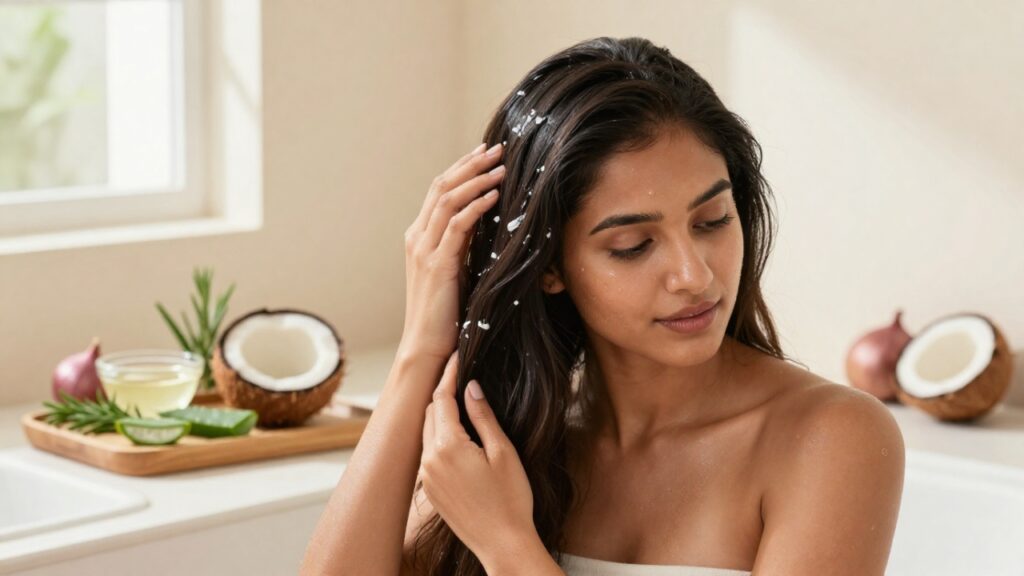
What Is Hair Loss?
Hair loss, or alopecia, occurs when hair sheds excessively or growth slows down. Normally, people lose about 50 to 100 hairs each day as part of natural hair growth. However, significant thinning or heavy shedding could indicate an issue.
Hair loss can be temporary or permanent, depending on the cause. Some individuals experience gradual thinning, while others may notice rapid hair loss due to illness, stress, or hormonal changes.
What Are the Types of Hair Loss?
There are several types of hair loss, and knowing them can help in choosing the right treatment.
Androgenetic Alopecia
This is the most common type of hair loss in both men and women.
In men, it usually results in:
- Receding hairline
- Bald spots
- Thinning at the crown
In women, it often leads to:
- Wider hair part
- General thinning
- Reduced hair volume
This type is commonly linked to genetics and hormones.
Telogen Effluvium
This temporary condition causes excessive shedding due to factors such as:
- Stress
- Fever
- Illness
- Pregnancy
- Rapid weight loss
- Nutritional deficiencies
Hair typically regrows once the trigger is removed.
Alopecia Areata
This autoimmune condition triggers the body to attack hair follicles, resulting in round bald patches.
Traction Alopecia
This occurs from tight hairstyles, excessive pulling, chemical treatments, or frequent heat styling.
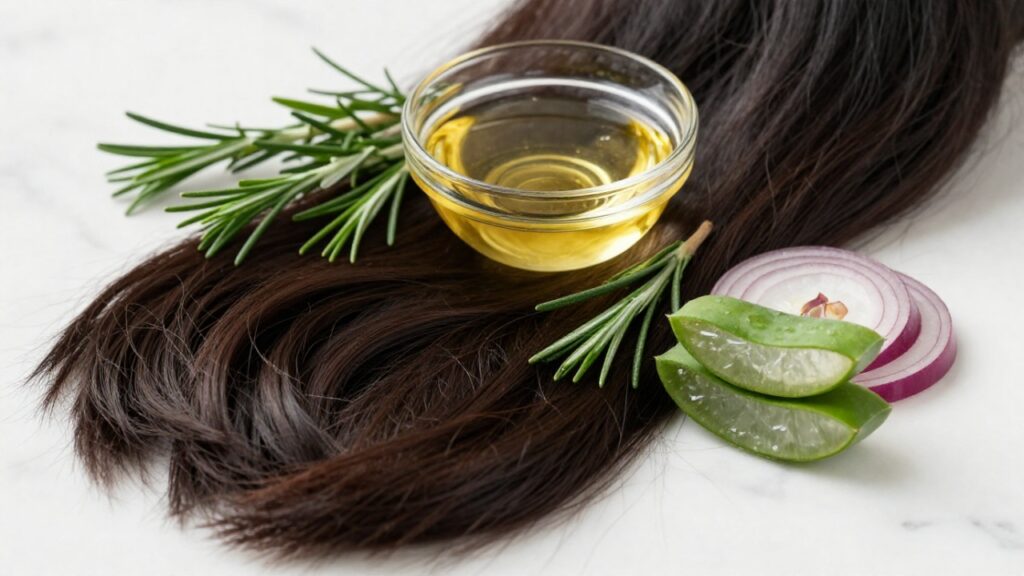
How Common Is Hair Loss?
Hair loss is very common around the world.
- About 50% of men face noticeable hair loss by age 50.
- Around 40% of women experience visible hair thinning at some point in their lives.
- Stress-related hair loss has risen due to poor sleep, unhealthy eating, and modern lifestyle choices.
While some hair shedding is normal, continual or severe hair loss should be taken seriously.
What Causes Hair Loss?
Various factors can lead to hair loss and thinning.
Common causes include:
- Genetics
- Hormonal imbalance
- Stress and anxiety
- Iron deficiency
- Vitamin D deficiency
- Thyroid issues
- Poor diet
- Lack of sleep
- Excessive use of heat styling
- Harsh hair products
- PCOS in women
Sometimes multiple factors contribute to hair loss.
What Helps With Hair Loss?
Research indicates that improving nutrition, scalp care, and lifestyle habits can support healthier hair growth.
Helpful methods include:
- Consuming enough protein
- Managing stress
- Addressing vitamin deficiencies
- Using gentle hair care products
- Massaging the scalp
- Staying hydrated
Being consistent matters because hair growth takes time.
How to Stop Hair Loss Naturally
If you’re looking to stop hair loss naturally, these home remedies may help strengthen hair and decrease shedding.
Coconut Oil Massage
Coconut oil is popular in hair care because it reduces protein loss from hair strands.
How to use:
- Warm 2 tablespoons of coconut oil
- Massage gently into the scalp
- Leave on for at least 1 hour
- Wash out with mild shampoo
Benefits:
- Lowers breakage
- Moisturizes the scalp
- Strengthens hair
Regular use of coconut oil can improve hair texture and minimize damage.

Rosemary Oil
Research suggests rosemary oil may enhance circulation and promote hair growth naturally.
How to use:
- Mix a few drops with coconut oil
- Massage into the scalp
- Leave for 30 minutes
- Rinse thoroughly
Benefits:
- Encourages thicker hair
- Boosts scalp circulation
- May help reduce thinning
Onion Juice
Onion juice contains sulfur compounds that can encourage hair follicle health.
How to use:If your hair also feels rough, frizzy, or damaged, following a proper hair care routine is important. Read our guide on hair care routine for extremely dry hair to improve moisture and overall hair health naturally.
- Blend an onion and extract the juice
- Apply to the scalp
- Leave for 15 to 20 minutes
- Wash out thoroughly
Benefits:
- May encourage regrowth
- Improves circulation
- Nourishes hair roots
Aloe Vera
Aloe vera helps calm the scalp and may alleviate irritation and dandruff.
How to use:
- Apply fresh aloe vera gel directly
- Leave for 30 minutes
- Rinse with lukewarm water
Benefits:
- Hydrates the scalp
- Reduces irritation
- Promotes healthy follicles
Scalp Massage
Daily scalp massage can boost blood circulation and help relax the scalp.
How to do it:
- Use your fingertips gently
- Massage for 5 to 10 minutes daily
- Use natural oil if you wish
Benefits:
- Enhances blood flow
- Reduces stress
- Supports healthier hair growth
Vitamins to Stop Hair Loss
Nutritional deficiencies strongly relate to hair thinning and weak hair growth.
Biotin
Biotin supports keratin production, which is crucial for healthy hair.
Sources:
- Eggs
- Nuts
- Seeds
Vitamin D
Low vitamin D levels connect to certain types of hair loss.
Sources:
- Sunlight
- Fatty fish
- Egg yolks
Iron
Iron deficiency is a common cause of hair loss, particularly in women.
Sources:
- Spinach
- Lentils
- Beans
- Red meat
Zinc
Zinc helps repair tissues and supports hair growth.
Sources:
- Pumpkin seeds
- Chickpeas
- Nuts
Omega-3 Fatty Acids
Omega-3 fatty acids support scalp health and reduce inflammation.
Sources:
- Salmon
- Walnuts
- Chia seeds
How to Stop Hair From Thinning and Grow It Thicker
Thin hair can often improve with healthy habits and proper care.
Eat More Protein
Hair is mainly made of protein, so low protein intake can weaken hair growth.
Good sources of protein include:
- Eggs
- Fish
- Greek yogurt
- Lentils
- Chicken
Avoid Tight Hairstyles
Tight ponytails and braids can harm hair follicles and worsen hair loss over time.
Reduce Heat Styling
Frequent use of straighteners, curlers, and blow dryers can damage hair and lead to more breakage.
Manage Stress
Stress can push hair follicles into the shedding phase.
Helpful methods for managing stress include:
- Meditation
- Exercise
- Deep breathing
- Quality sleep
Stay Hydrated
Drinking enough water supports scalp and hair health.
How to Stop Hair Loss in Women
Women often experience hair loss due to hormonal changes, pregnancy, menopause, iron deficiency, or PCOS.
Helpful tips for women include:
- Increase iron intake
- Avoid crash dieting
- Reduce stress
- Use gentle shampoos
- Check vitamin levels
Women facing sudden or severe hair loss should seek medical advice.
How to Stop Hair Loss in Men
Male hair loss often connects to genetics and hormones.
Helpful tips for men include:
- Start treatment early
- Maintain healthy nutrition
- Reduce smoking
- Improve sleep quality
- Massage the scalp regularly
Consistency is key for visible improvement.
FAQs
How to stop hair fall immediately?
There is no quick fix, but you can reduce hair fall by:
- Avoiding heat styling
- Eating nutritious foods
- Managing stress
- Using mild shampoo
- Applying coconut or rosemary oil
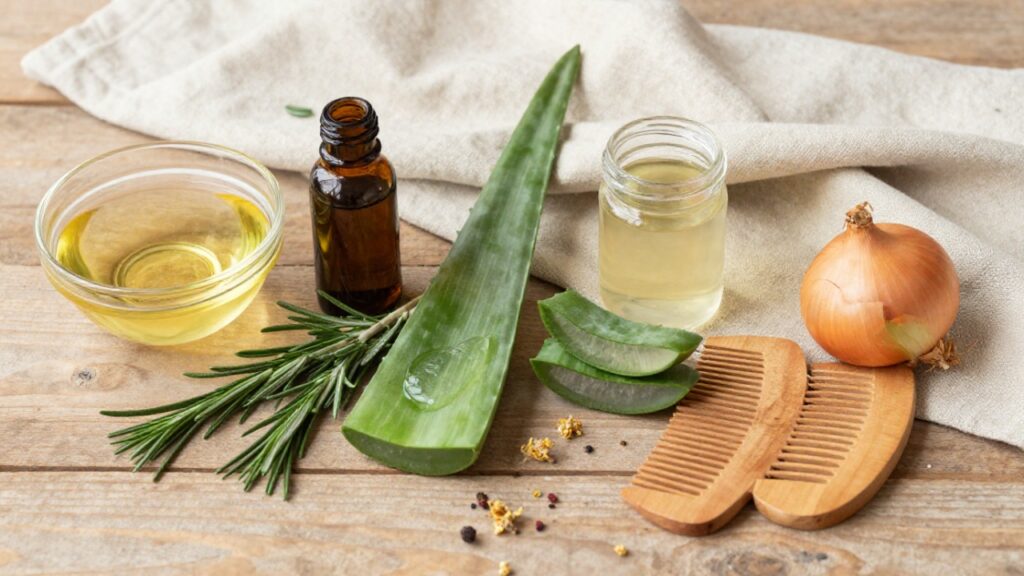
How to stop hair loss naturally?
Natural methods include:
- Coconut oil massage
- Rosemary oil
- Onion juice
- Aloe vera
- Healthy diet
- Stress management
Which vitamins help stop hair loss?
Key vitamins include:
- Biotin
- Vitamin D
- Iron
- Zinc
- Omega-3 fatty acids
How to stop hair loss in women?
Women should focus on:
- Hormonal balance
- Iron intake
- Proper nutrition
- Stress reduction
- Gentle hair care
How to stop hair loss in men?
Men may benefit from:
- Early treatment
- Healthy lifestyle habits
- Balanced diet
- Scalp massage
- Stress management
Final Thoughts
Hair loss can be frustrating, but many cases improve naturally with proper care, good nutrition, and consistent scalp treatments. To stop hair loss, focus on enhancing scalp health, managing stress, and correcting nutritional deficiencies.
Natural remedies take time to show results, so patience and consistency are important. If hair loss becomes severe or sudden, consult a healthcare professional for proper diagnosis and treatment.