
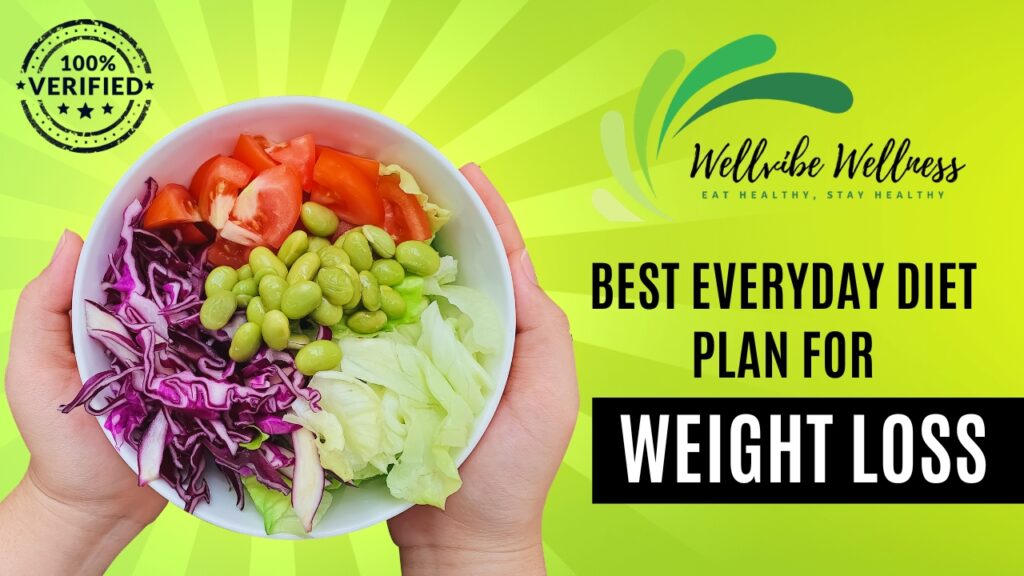
Achieving long-term weight loss is rarely about strict dieting or temporary fixes. Instead, it is about building a sustainable, everyday meal plan for weight loss that nourishes your body while naturally creating a calorie deficit. For many, the hurdle isn’t willpower; it’s the lack of a structured, nutrient-dense roadmap. By focusing on whole foods, strategic protein intake, and fiber, you can transform your relationship with food and achieve your health goals.

Why Structure is the Key to Success
The most effective weight loss strategies rely on consistency and preparation. When you don’t have a clear meal plan for weight loss, you are significantly more likely to reach for convenient, highly processed foods that are high in calories but low in essential nutrients. A well-structured plan removes the daily stress and mental fatigue of decision-making. By knowing exactly what you are going to eat, you reduce the chances of impulsive, unhealthy snacking and ensure that every calorie you consume contributes positively to your satiety, energy levels, and overall metabolic health.
The Three Pillars of a Healthy Approach
To create a meal plan for weight loss that actually works, you must prioritize three core components:
- High-Quality Protein: Protein is the most satiating macronutrient. Incorporating 25–30 grams of protein in every meal helps regulate appetite-controlling hormones and supports lean muscle maintenance, which is absolutely essential for a healthy, efficient metabolism.
- Fiber-Rich Carbohydrates: Vegetables, legumes, and whole grains provide volume and slow digestion. When you consume high-fiber foods, you stay full longer, making it significantly easier to maintain a sustainable calorie deficit without feeling constantly deprived or hungry.
- Healthy Fats & Hydration: Fats are essential for hormonal health but are calorie-dense. Focus on healthy sources like avocado, nuts, and olive oil in moderation. Furthermore, proper hydration is often overlooked; drinking water before meals aids significantly in portion control and metabolic function.

Developing Your Personalized Strategy
A successful meal plan for weight loss doesn’t have to be complicated. Instead of counting every calorie, use the “Plate Method.” Fill 50% of your plate with non-starchy vegetables (like leafy greens, broccoli, or peppers), 25% with lean protein (such as chicken, fish, tofu, or lentils), and 25% with complex carbohydrates (like quinoa, sweet potato, or brown rice).
A Day in the Life: Example Structure
- Breakfast (Power Start): Focus on protein and fiber to kickstart your day. A savory Greek yogurt bowl with seeds or a vegetable omelet with spinach provides a balanced, energy-sustaining start.
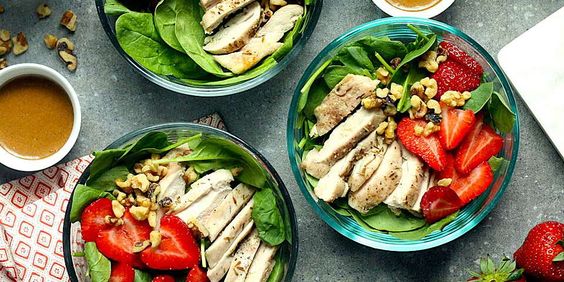
- Lunch (Refuel): Keep it light but satiating. A Mediterranean-inspired salad using chickpeas, cucumber, tomatoes, and a grilled protein source provides the nutrients you need to avoid the afternoon slump.
- Snacks (The Bridge): Choose whole foods. An apple with almond butter or a small handful of walnuts provides healthy fats and fiber to keep hunger at bay.
- Dinner (Recovery): Keep it focused on lean protein and vegetables to allow for easy digestion. Sheet-pan meals, such as baked white fish or tempeh with roasted asparagus, are excellent options.
Strategies for Long-Term Consistency
Weight loss is a marathon, not a sprint. To stay on track:
- Strategies for Long-Term Consistency
- Weight loss is a marathon, not a sprint. To stay on track:
- Prep Ahead: Spend a few hours on the weekend prepping proteins and vegetables. When your meal plan for weight loss is ready, you are far more likely to stick to your goals.
- Mindful Living & Skincare: Wellness is holistic. While you focus on internal health through nutrition, don’t ignore external self-care. If you are dealing with sun damage or tanning during your outdoor fitness activities, check out these effective tips for sun tan removal to keep your skin glowing and healthy.
- Mindful Eating: Slow down. It takes your brain 20 minutes to register fullness. By eating slowly and without distractions, you can naturally lower your caloric intake.
- Monitor Progress: Use non-scale victories. Notice your energy levels, how your clothes fit, and your improved sleep quality. These are often more reliable indicators than the scale.
Conclusion
Creating a balanced meal plan for weight loss is about empowering yourself through better, informed choices. By prioritizing high-protein, high-fiber, and whole foods, you create an environment where your body can thrive. Remember, the best plan is the one you can actually stick to consistently over the long term. Focus on small, manageable adjustments, stay patient with yourself, and embrace the process. With a structured approach and a focus on nutrient-dense foods, your weight loss journey becomes a truly sustainable path to better health, increased vitality, and improved longevity.
Pingback: Top 5 Anti-Aging Foods And Supplements for Healthy Skin
Pingback: 7 High-Protein Breakfast for Weight Loss & Hormone Balance